…and Korea at the same time
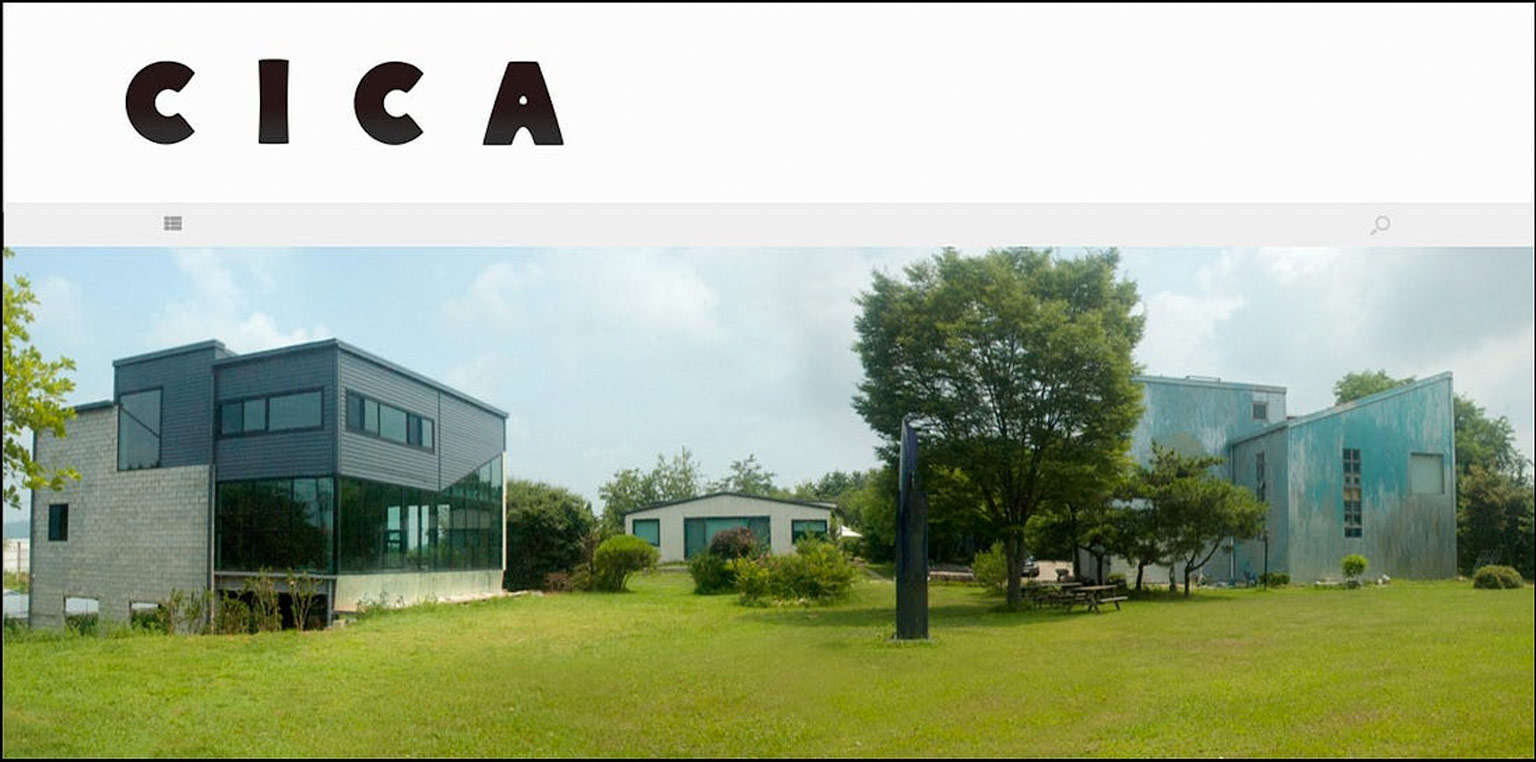
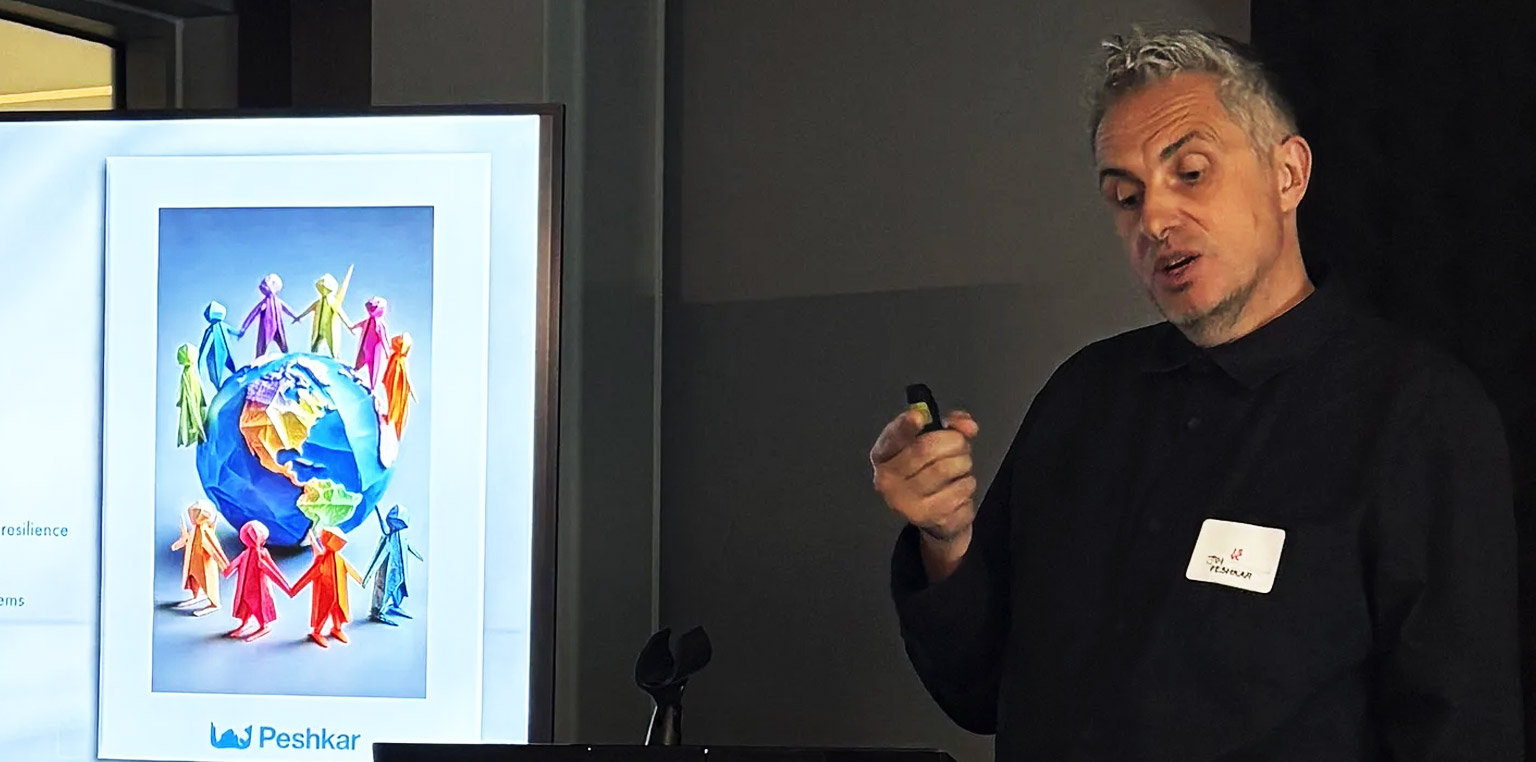
Last month I found myself standing in Silver Spring, Maryland, presenting Peshkar’s work at the International Symposium for Visual Culture whilst simultaneously our Young Digitals Festival was being exhibited 5,400 miles away at the CICA Museum in South Korea.
Not bad for an arts organisation from Oldham operating on what you might call a “creative” budget.
How this happened
The International Symposium for Visual Culture (ISVC 2025) brought together artists, researchers, and academics from across the globe on 20th September. I delivered a presentation interweaving our 15-year Global Canvas journey with Stewart Knights’ provocative Young Digitals Festival 2025 exhibition, “Oldham Are You With Us?”
That question - posed by a 24-year-old artist we’d developed through our programme in Oldham Central Library back in March - became the thread running through my talk. It’s the perfect encapsulation of what we’ve been trying to do: flip the script on who gets to participate in global cultural conversations.
The Brexit twist
Here’s what made the story resonate in Washington: everyone said Brexit would shut down our international work. Smaller organisations like Peshkar would be squeezed out. EU funding disappearing meant game over for global collaboration.
Except we’re now presenting at international symposiums whilst exhibiting in Korea. Go figure.
I explained how losing EU funding actually forced us to innovate. The “fleet of foot” methodology we developed - getting three artists to Berlin for £2,000 rather than waiting two years for a €200,000 institutional partnership - emerged precisely because we couldn’t rely on traditional frameworks anymore.
The room got it immediately. Sometimes constraints breed the best innovation.
What we actually showed
Stewart’s Young Digitals Festival engaged thousands of audience and participants across Oldham’s libraries and secured Historic England’s first-ever digital heritage grant in the North West. The work travelling to Korea carried that specific cultural DNA of post-industrial Northern England whilst speaking to universal themes of youth agency and place-making.
I wove this concrete example through our broader Global Canvas methodology, showing how digital tools can amplify marginalised voices rather than diminish human agency. The presentation aligned perfectly with ISVC’s Digital Humanism strand without being overly theoretical about it.
Why this matters
The 20 minute presentation sparked proper discussion afterwards. What resonated most was the reversal of cultural hierarchies - Korean audiences encountering Oldham’s creative energy, Washington academics engaging with methodologies we’d developed in post-industrial Northern England.
ISVC positioned Peshkar within international conversations about youth development, digital culture, and community-led practice. The symposium opens doors to partnerships we hadn’t imagined - particularly with South Korean cultural organisations and US-based institutions interested in what we’re doing differently.
The humble brag bit
We’re genuinely proud of this. Twenty years of leading Peshkar through EU programmes, Brexit challenges, pandemic restrictions, and funding cuts - and here we are, presenting at international symposiums whilst simultaneously exhibiting in Asia.
Our presentation demonstrated that UK community arts organisations haven’t just survived post-Brexit challenges but are emerging as leaders in developing new models of international collaboration. Small organisations from supposedly “left behind” places can create global impact without massive institutional overheads.
And it felt brilliant standing in Maryland explaining how Stewart Knights - an artist we’d nurtured from emerging practitioner to confident curator - challenged global visual culture hierarchies from Oldham Central Library. That journey from local library spaces to international museum and academic platforms proves something important about where innovation actually happens.
What’s next
ISVC opened conversations about youth artist exchanges between Oldham and South Korean cities, digital heritage collaborations, and international co-productions. We’re exploring partnerships that build on this momentum whilst staying true to our approach.
The work continues, the canvas keeps expanding, and apparently people want to hear what we’ve learned. Who knew that being forced to rethink everything after Brexit would turn into our competitive advantage?
If you’re working in international cultural collaboration, youth arts development, or community-led practice and want to explore what we’re doing differently, get in touch. The methodologies we’ve developed over 15 years are designed for adaptation, not replication, and there’s genuine appetite for alternative approaches to cultural exchange.
Washington and Seoul proved that post-industrial Oldham has something valuable to contribute to global conversations. And that a small community arts organisation can punch well above its weight when it stops waiting for permission and starts creating its own opportunities.
The global conversation continues, and we’re right in the middle of it.
JJ, October 7th, 2025