Inside CICA Museum’s Quietly Inspiring Approach to Contemporary Art
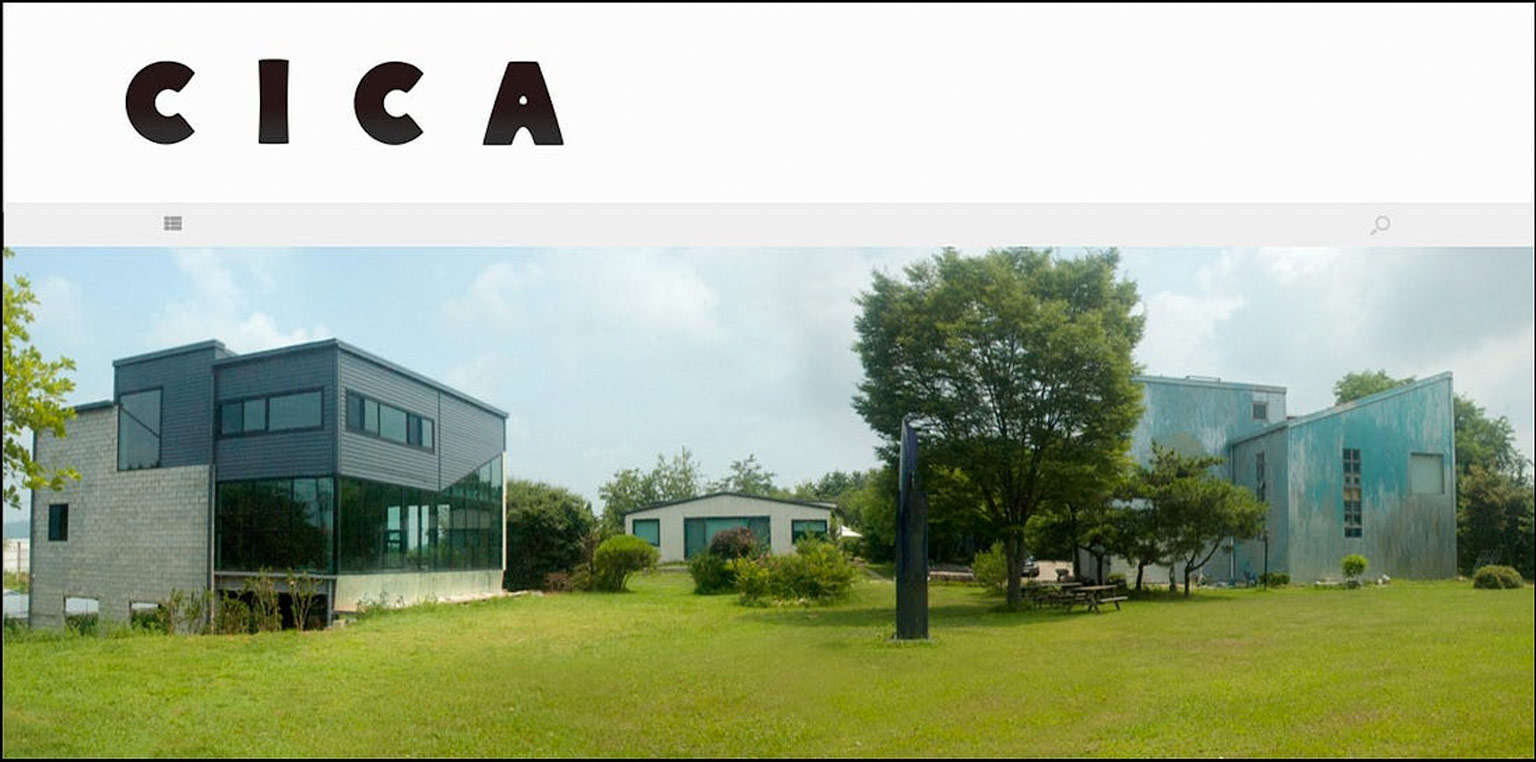
Tucked away in an industrial estate of repurposed buildings in South Korea’s Gimpo region, CICA Museum (or Czong Institute of Contemporary Art to give it it’s full title) occupies a space that feels worlds away from Seoul’s cosmopolitan centre. Getting there requires determination - the sort of journey that involves multiple train connections and a fair bit of wandering around what initially appears to be just another collection of converted warehouses. But perhaps that’s entirely the point.
A Museum Born from Vision, Not Location
CICA Museum was established by Czong Ho Kim, whose vision for international cultural exchange found its home in these unlikely surroundings. The museum’s setting in repurposed industrial buildings creates an immediate resonance with our work at Peshkar - there’s something particularly fitting about communities from post-industrial Oldham finding representation in converted factories and warehouses on the outskirts of another major city.
The geographical parallels aren’t accidental. Both Oldham and this corner of Gimpo exist in the spaces that global economic forces have left behind - former industrial heartlands that have had to reinvent themselves. Yet it’s precisely in these margins that some of the most authentic cultural innovation happens, away from the pressures and expectations of metropolitan centres.
Visual Culture 2025: Our Journey to Seoul
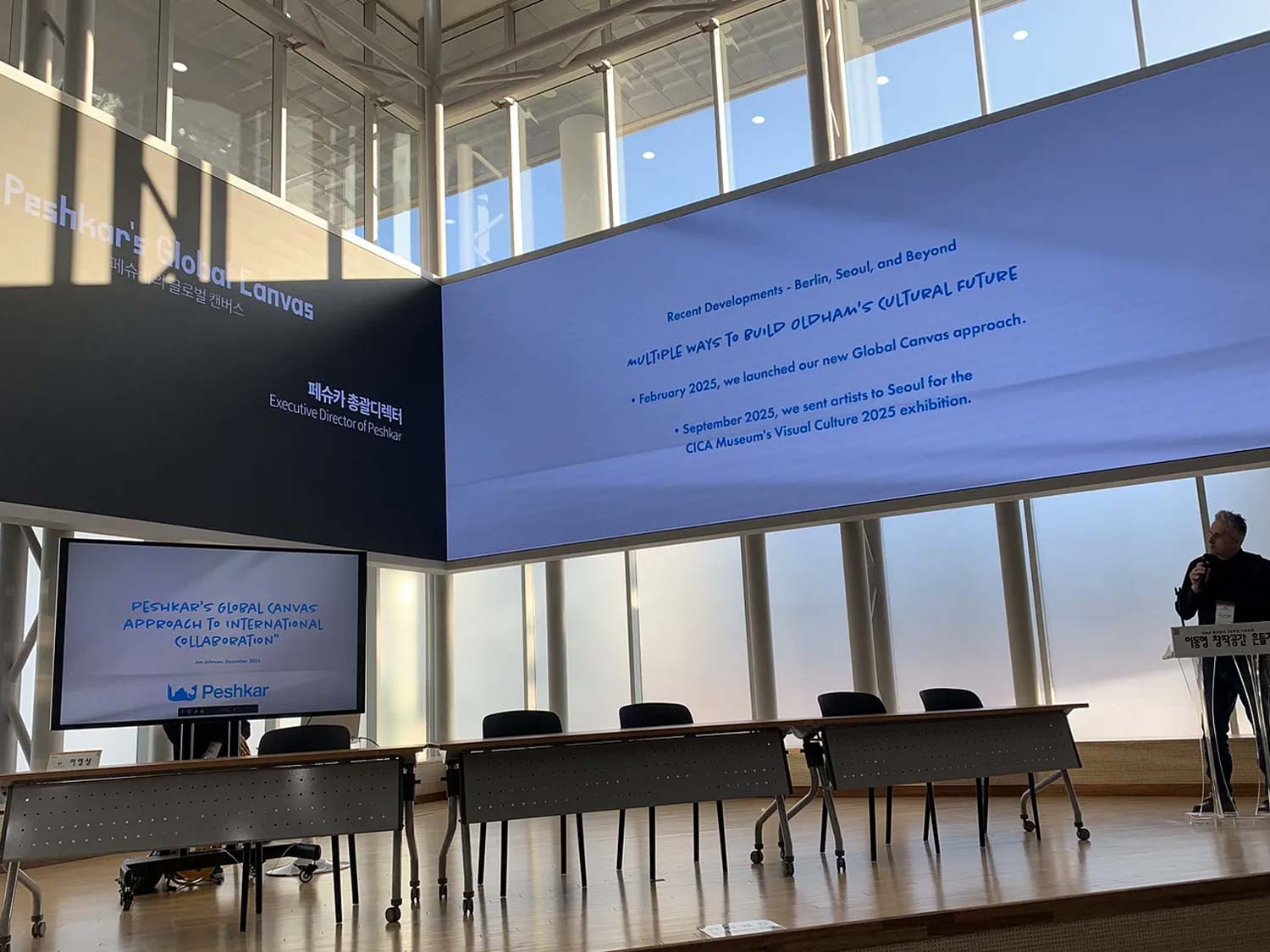
Currently running from 10-28 September 2025, “Visual Culture 2025” represents a significant milestone in our 15-year international journey at Peshkar. Our Young Digitals Festival work has travelled from the community libraries of Greater Manchester to these converted spaces in Korea, demonstrating how community-led digital innovation can achieve global recognition whilst maintaining its local roots and social purpose.
The exhibition, connected to the International Symposium for Visual Culture (ISVC), brings together artists, researchers, and academics from around the world. What makes our contribution particularly meaningful is how it embodies the very themes the exhibition explores - the journey from local library spaces to international museum walls represents something profound about how authentic community engagement can transcend geographical boundaries without losing its essential character.
The exhibition showcases everything from traditional paintings and sculptures to video installations and digital art. Each piece tells a story not just of individual creativity, but of communities asserting their cultural agency. Artists can exhibit up to two works each, with the museum providing technical support including projectors, printing services, and professional installation - though the practical realities of working in converted industrial spaces present their own unique challenges.
The Challenge of Curating in the Margins
Working in repurposed industrial buildings far from major cultural centres creates specific curatorial challenges that more traditional institutions rarely face. The spaces themselves tell stories - high ceilings that once housed machinery now display international art, loading bays converted into gallery entrances, offices transformed into lab spaces where young artists work in residence.
These aren’t purpose-built white cube galleries with perfect lighting and climate control. They’re working spaces that have been adapted for cultural use, which means curators must be creative about everything from sight lines to technical installations. The museum’s approach isn’t cutting-edge in the sense of having the latest technology or most sophisticated display systems, but it’s inspiring precisely because it demonstrates what’s possible when vision matters more than resources.
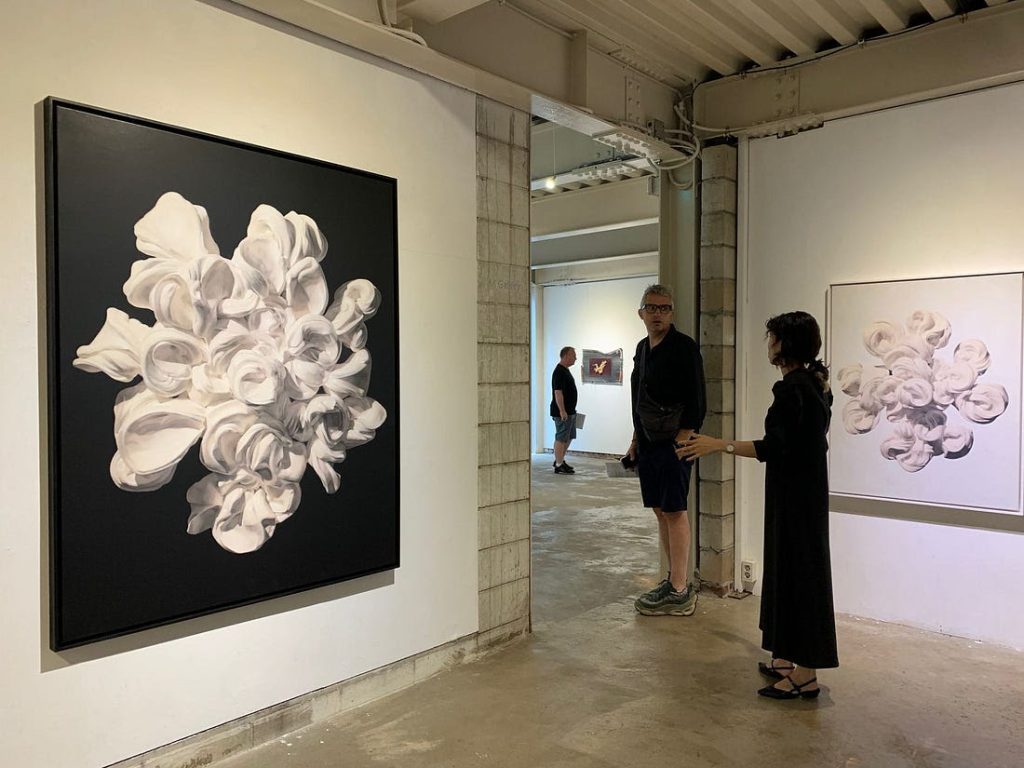
During our visit, we met the extraordinarily hard working curator Yoosong Erin Kim, who has performed wonders bringing Peshkar’s work to Korea. Erin introduced to a young artist from Washington was in residence in one of their lab spaces, working on projects that bridged their own cultural context with international collaborations. This hands-on approach to supporting emerging talent reflects the museum’s practical philosophy - less about grand statements and more about creating genuine opportunities for cultural exchange and artistic development.
American Connections and Global Networks
CICA’s reach extends far beyond its Korean base, with connections that span continents. Since 2017, they’ve hosted the annual CICA New Media Art Conference (CICA NMAC), collaborating with institutions including Gimpo City, Anyang City Cultural & Art Foundation, and Seoul National University. In 2019 and 2020, they took their vision international with “Art Teleported” - art shows and conferences for nomad artists held in New York.
The current ISVC symposium represents another dimension of this international character, taking place at Montgomery College in Silver Spring, Maryland, whilst the exhibition runs simultaneously in Korea. This creates a genuinely transatlantic dialogue between artistic practice and academic discourse, offering artists like those in our programmes access to American audiences and institutions that might otherwise remain beyond reach.
The practical implications of this international structure create both opportunities and complexities. Coordinating between time zones, managing submissions across different technological platforms, and ensuring that community-based work translates effectively across cultural contexts requires dedication from all involved.
Post-Industrial Resonances
There’s something profoundly appropriate about our Oldham-based work finding a home in CICA’s converted industrial spaces. Both locations embody the creative potential that emerges when communities refuse to accept decline as inevitable. The parallels between post-industrial Oldham and the repurposed warehouses of Gimpo create a dialogue that goes beyond simple cultural exchange.
Our Young Digitals Festival participants, many of whom come from areas of Greater Manchester that have undergone their own economic transformations, find their work displayed in spaces that understand the creative possibilities of reinvention. The industrial estate setting doesn’t diminish the work - it contextualises it within a broader narrative about how communities adapt, survive, and ultimately thrive through cultural innovation.
A Different Kind of Institution
CICA Museum isn’t trying to compete with Seoul’s major cultural institutions or emulate international museum standards. Instead, it’s carved out a distinct identity based on accessibility, international collaboration, and genuine support for emerging voices. The fact that it’s difficult to find and far from cosmopolitan centres becomes part of its character rather than a limitation.
This approach resonates strongly with our methodology at Peshkar. We’ve never been about competing with established cultural hierarchies, but rather about creating alternatives that serve communities who might otherwise remain invisible to mainstream cultural institutions. CICA’s industrial estate setting and practical approach to supporting artists reflects similar values - prioritising substance over style, community over prestige.
Looking Forward from the Margins
The success of exhibitions like “Visual Culture 2025” demonstrates that cultural significance isn’t determined by location or resources, but by commitment to genuine artistic and social engagement. Our work’s journey from Oldham libraries to Korean warehouses illustrates how authentic community-led practice can create its own networks and opportunities.
As traditional cultural hierarchies continue to be questioned, institutions like CICA point towards more democratic approaches to international cultural exchange. Their industrial estate setting becomes a statement rather than a compromise - a declaration that vital cultural work happens in unexpected places, supported by vision rather than vast budgets.
Visit and Engage
CICA Museum is open Wednesday through Sunday, 10:30am-5:30pm Korean time. Located in Gimpo’s industrial district, getting there requires some determination but rewards visitors with a unique perspective on contemporary international art. The journey itself becomes part of the experience - a reminder that the most interesting cultural work often happens away from obvious centres.
For more information about current exhibitions and future opportunities, visit their website at cicamuseum.com. The museum regularly announces open calls and maintains active international collaborations. Their practical approach to supporting emerging talent and community-led projects offers genuine alternatives to traditional cultural pathways.
As we navigate an increasingly connected yet fragmented world, institutions like CICA Museum remind us that cultural innovation often emerges from unlikely places. Their commitment to international collaboration, despite geographical challenges and resource limitations, offers inspiration for communities worldwide who refuse to accept marginality as a barrier to cultural participation.
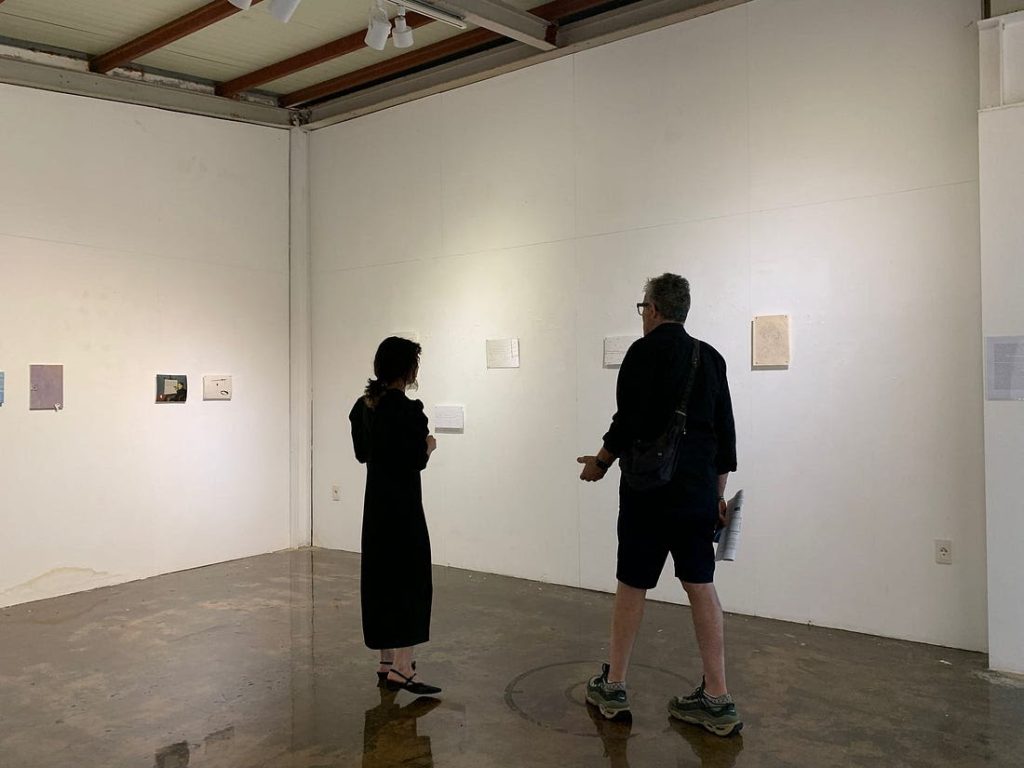
“Visual Culture 2025” runs until 28 September 2025 at CICA Museum, Gimpo, South Korea. The exhibition demonstrates how community-led practice can achieve international recognition whilst maintaining authentic connection to local contexts and social purpose.