What’s your background?
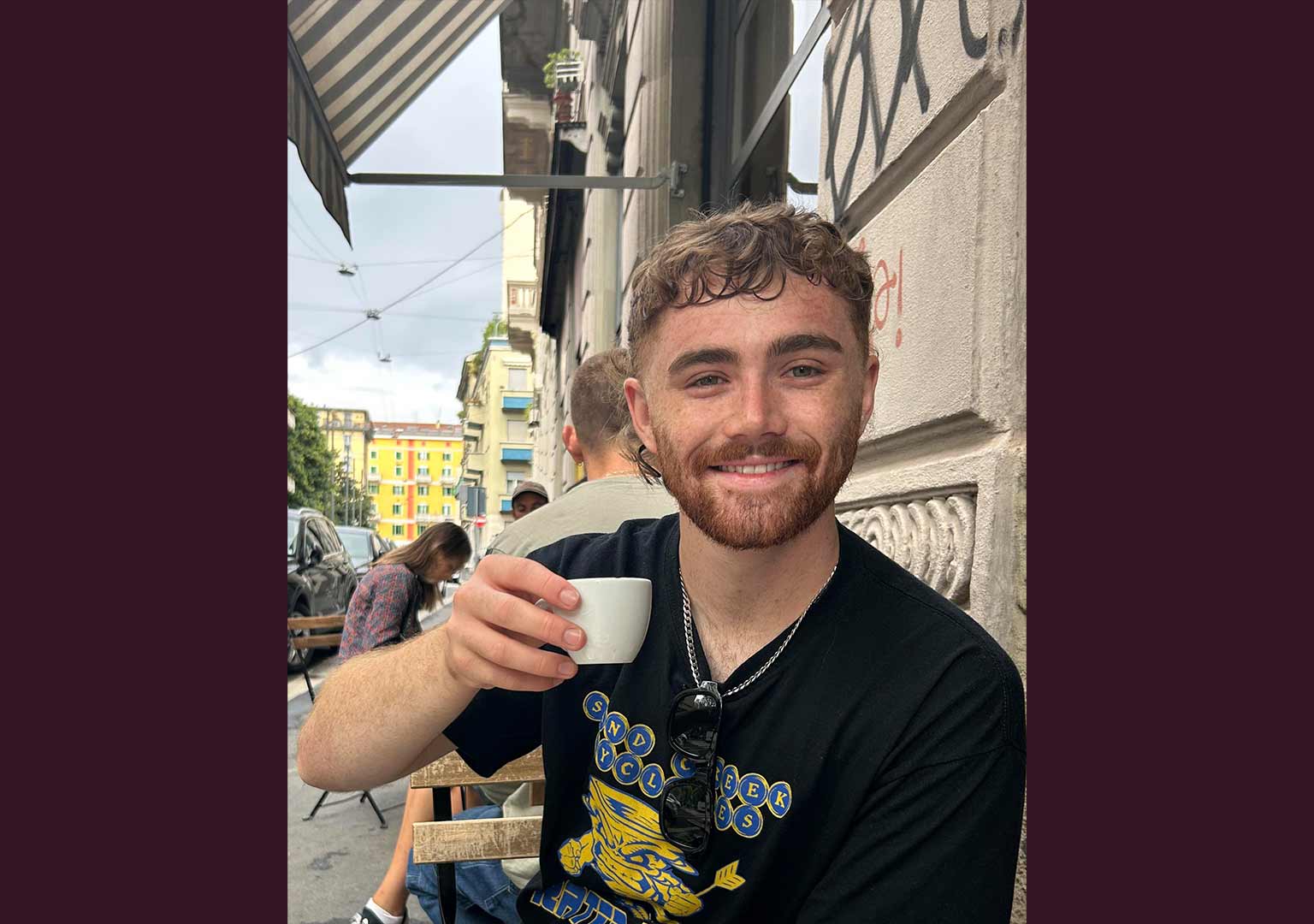
I was born in Manchester but grew up in Spain. I spent 11 years there and some of my early teen years which I think was key to my developing into who I am today. I experienced a huge culture shock when I got back to the UK in the middle of school still finding my feet. I finished school and holding on to my Spanish upbringing I carried on studying this in college, along with a few other things that weren’t related to the arts. My grandparents spent a similar stint in Spain as I did and my grandad was a photographer there. When they came home and he retired, he gifted me his equipment. I picked up the hobby at 17 and after a year out in between college and highschool doing a bit of travelling, I went to Manchester Metropolitan University to do my degree in photography. I’ve now graduated with a BA in photography as a 22 year old. I’m always creating work and always have a project ongoing that will quite possibly be a slow moving one exploring the idea of identity or some sort of culture, community or hobby. I often travel to Poland with my Polish girlfriend and enjoy creating work when I’m there as it slightly reminds me of home and the idea of exploring somewhere new but familiar, which was what I felt as a teen.
Who are your biggest influences? Artistically? Who inspired you to become an artist?
Who, I’m not too sure. My girlfriend and her twin have always been artistic. My grandad gave me the equipment and I always wanted to do something that would allow me to express some free will, so maybe it’s a combination of all of those. My mum and dad have always pushed me to do what I want and them comforting me in doing that has definitely been a factor.
Sam Youkillis, Alec Soth, Michelle Sank, Jim Goldberg, Matt Stuart, Sam Gregg, Eric Persona, Mark Power.
How have you developed your career? (From student to artist)
I’ve tried to keep up some practices from when I was a student but also improvised. Keeping a journal and doing research, writing this all down and working methodically. It’s helped me stay organised and work to deadlines that surprisingly feel like they have gotten more common after leaving university, because everything can be a deadline.
I planned ahead a bit. Gave myself a project that would see me past my deadlines and slowly introduced myself to full time work so that the transition was a slower one and I could get used to my workload. Making sure I had looked up what photo festivals were coming up, have open calls ready to apply for too.
I’ve also made sure to never stagnate, alway be doing something creative. I’ve started to look at everything with a different outlook which is hard to explain, but I think this was one of the skills I’ve gained from my degree.
I also think it’s a gradual and natural transition.
I created a website, a LinkedIn and another dedicated photography instagram which was what I needed to market myself and so I also did that. Making connections, sending emails, making sure you made people aware of your craft was important too.
Finally, I started to gather information like shoots, magazines and projects I liked. Surround myself with whose those of inspirations and the things I want to do is always a good reminder for what sort of work I want to be involved in.
What is your dream project?
I’ve long wanted to shoot a project that looks at the Polish Folk costumes, traditions and songs that each voivodeship in Poland has. The embroidered costumes are gorgeous textures and outfits to create beautiful portraits. It would be an all encompassing project as each region has its own song for any written word I may want to work with, dance for video and overall it’s a great cultural project. I believe its deeply important for people learn about cultures that are far beyond their own as it creates a more understanding and passionate person when you see a country and its people for much more than just another place.
What locations or places are the most artistically inspiring and why?
Poland has always been kind to me, and I’ve enjoyed making work on holiday and I think that it comes from seeing a place through the eye of someone who isn’t used to their surroundings.
Places of worship evoke a special feeling for me too. I have done projects that have taken place in these buildings and a lot of my work looks at religion but the buildings always leave me astonished. They seem to always be the places that no matter the area, belief or age, are awe inspiring and so well kept and I think there’s a beauty to that.
University - Do you need to have been to uni to make it as an artist?
Need I think is a strong word and I think it’s something that will differ from person to person. For me, it was necessary and I would advise everyone to do it. If people are open to discovery and exploration (which I think are core pillars in being an artist) I think university gives you that freedome, that space to do it but also is dedicated to the growth of the person and their practice. Yes there is the money issue, but it is debt just like any other, like buying a new car or part of a mortgage, except at university you’re learning and growing your mind.
Then answer these Quick Fire questions…
Collaborate or work alone? | Collaborate |
Plan ahead or improvise? | Plan, but you’ll always have to improvise |
Inside or Outside? | Outside |
Laugh or Cry? | Laugh |
Morning or Evening? | Morning |
Football or Rugby or Cricket? | Football |
Ed Sheeran or Liam Gallagher? | None (liam if I’m pushed) |
Doctor Who Male or Female? | I’ve never watched it, so whoever does the role best, but I feel female fits |
007 - Male or Female? | Any. I’ve loved Daniel Graig but I think Mia Goth could do an ace job |